Communication
Mistakes Indian Handicraft Exporters Make
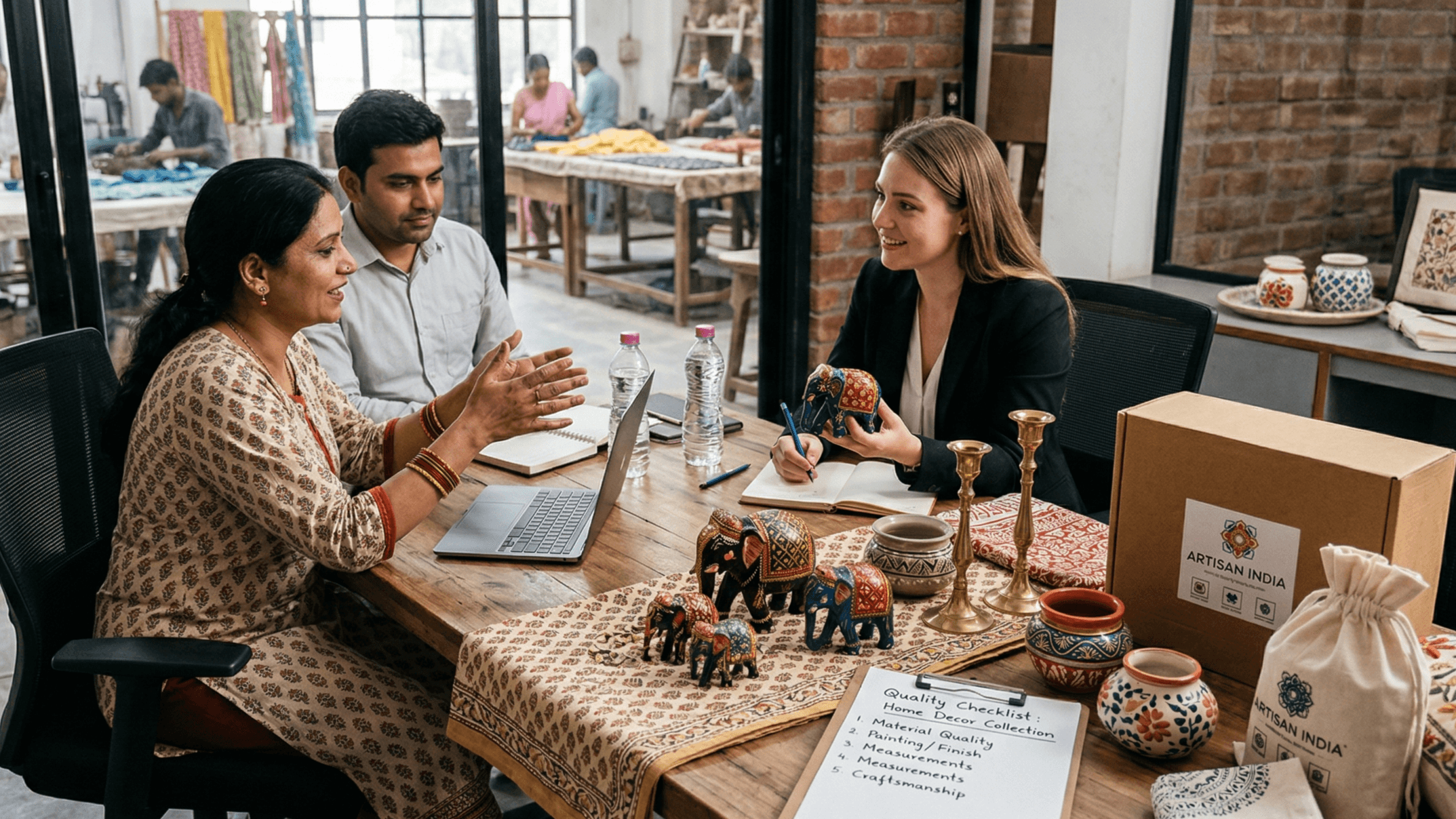
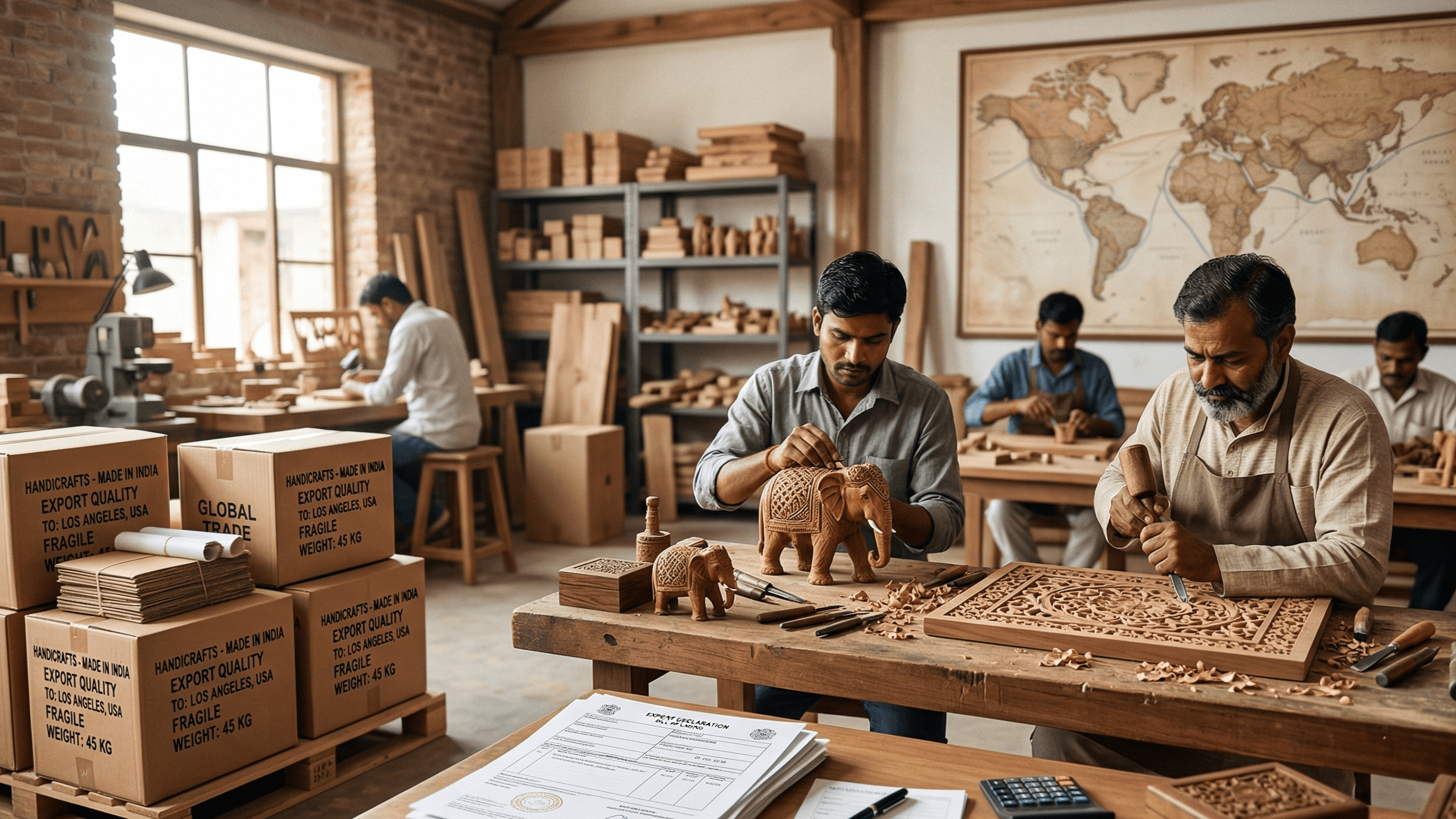
India is home to some of the world's most talented handicraft artisans. From the woodcarvers of Saharanpur to the bone inlay craftsmen of Jodhpur, Indian handicraft manufacturers produce work that commands premium prices in international markets.
But talent alone does not build a successful export business. Many skilled handicraft exporters lose valuable international buyers not because of their products, but because of avoidable business mistakes.
Here are the most common mistakes Indian handicraft exporters make when working with international buyers, and exactly how to fix each one.
Mistake 1: Treating Every Buyer the Same
A boutique retailer in Denmark has very different requirements from a large home furnishing chain in the USA. Buyers in the EU are under strict sustainability regulations. Buyers in the Middle East may have specific packaging and labelling needs. Buyers in Australia expect detailed product origin documentation.
Many Indian exporters send the same generic catalogue and price list to every inquiry — and wonder why conversion rates are low.
How to Fix It
Before responding to any serious inquiry, research the buyer. Understand their market, their customer base, and any regulatory environment they operate in. Tailor your response — your product selection, your certifications, your pricing to what that specific buyer actually needs.
Mistake 2: Poor or Inconsistent Product Photography
International buyers make their first purchase decision based on images. They cannot touch or feel your product. They are trusting the photograph to represent the real item accurately.
Many Indian handicraft exporters either use low-quality phone photos, inconsistent backgrounds, or images that do not show product dimensions, finish details, or scale.
How to Fix It
Invest in professional product photography on clean, neutral backgrounds. Show multiple angles. Include a reference object for scale. For handcrafted items, close-up detail shots are essential they communicate the craftsmanship that justifies your premium pricing. Good photography is not an expense — it is a sales tool.
Mistake 3: Vague or Inconsistent Product Specifications
International buyers place orders based on written specifications. When specifications are vague 'approximately 12 inches', 'natural wood finish', 'standard packaging' disputes are almost guaranteed.
Buyers who receive products that differ from what they understood they ordered will not reorder. They will also warn other buyers in their network.
How to Fix It
Create a detailed product specification sheet for every SKU. Include exact dimensions with tolerances, material specifications, finish standards, weight, packaging details, and any compliance markings. Before production, share this document with the buyer and get written confirmation.
Mistake 4: Not Understanding Lead Time Reality
Handicraft production is time intensive. It depends on artisan availability, raw material sourcing, finishing processes, and quality checks. Yet many exporters quote optimistic lead times to win the order — and then miss deadlines.
Missed deadlines destroy buyer trust faster than almost anything else. International buyers have their own retail seasons, store launches, and marketing commitments that depend on your delivery.
How to Fix It
Quote realistic lead times and then deliver on them. Build buffer time into your production planning. If delays occur, communicate proactively. A buyer who is informed of a delay two weeks in advance can adapt. A buyer who discovers a delay on the expected delivery date cannot.
Mistake 5: No Quality Control Process Before Shipment
International buyers expect consistency. If the first order is perfect and the second has noticeable quality variation, they lose confidence in you as a supplier. For handcrafted items, some natural variation is acceptable but unacceptable variation in finish, dimensions, or construction is not.
How to Fix It
Implement a formal pre-shipment quality check for every order. Check a statistically meaningful sample from each batch against your agreed specifications. Document the inspection with photographs. Share the inspection report with the buyer before shipment. This single step dramatically reduces disputes and builds long-term buyer confidence.
Mistake 6: Ignoring Compliance and Certification Requirements
This is the mistake that is increasingly costing Indian handicraft exporters significant business — particularly with European buyers.
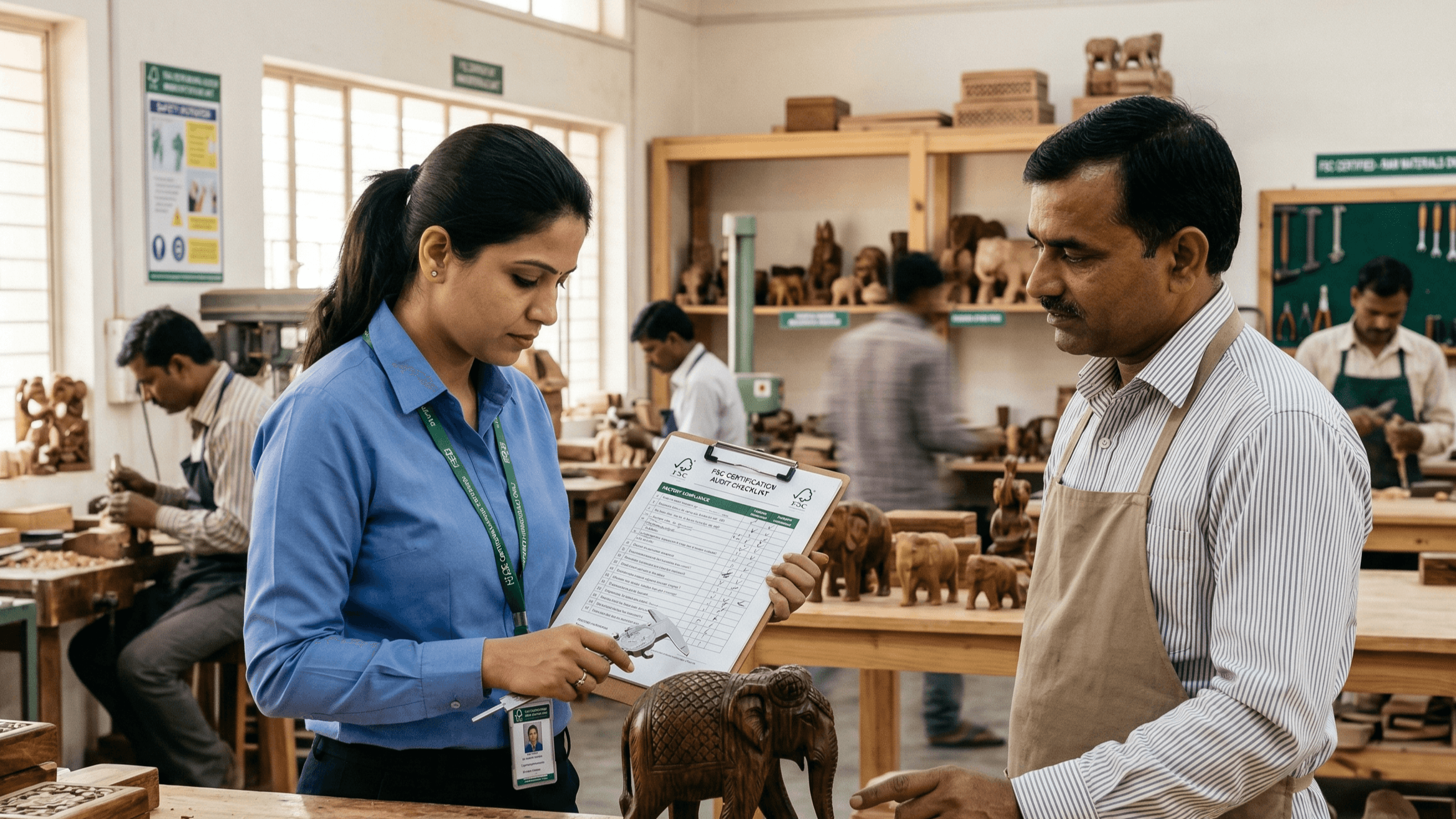
Buyers in the EU, UK, and Australia operate under strict regulations around wood sourcing (EUDR), ethical supply chains (SEDEX, BSCI), and sustainability claims (FSC). If your factory cannot prove compliance, these buyers simply cannot work with you regardless of how beautiful your products are.
How to Fix It
Understand which certifications your target markets require. If you are exporting wood-based handicrafts to the EU, FSC certification and EUDR due diligence are fast becoming non-negotiable. SEDEX registration is increasingly required by mid-to-large international retailers. Start the certification process early — it takes time, but it opens doors that are otherwise permanently closed.
Mistake 7: Over-dependence on a Single Buyer
Many handicraft exporters build their entire business around one or two large buyers. When that buyer reduces orders, changes suppliers, or exits a market, the exporter's business collapses overnight.
How to Fix It
Actively diversify your buyer base. Aim for no single buyer to represent more than 30-35% of your revenue. Participate in international trade fairs, build a professional digital presence, and work with sourcing consultants who can introduce you to verified international buyers across multiple markets.
Mistake 8: Weak Communication and Follow-up
International business runs on clear, timely, professional communication. Slow email responses, unclear answers to product queries, and lack of follow-up after sending a quote all signal to buyers that you may not be a reliable long-term partner.
How to Fix It
Set a standard of responding to all buyer inquiries within 24 hours. Use professional email communication clear subject lines, structured responses, correct grammar. Maintain a follow-up schedule for all pending quotes and samples. Treat every communication as a reflection of your professionalism as an exporter.
At Rainbow Sourcing & Consulting Services, we work directly with Indian handicraft manufacturers and exporters to help them meet international buyer standards — from compliance certifications to quality processes to buyer introductions. Visit rainbowsourcingservices.co.in to book a free consultation.